
How Much Neem Oil For Plants?
Neem oil has long been valued as a natural remedy for pest control and plant nourishment in organic farming. Extracted from the seeds of the neem tree (Azadirachta indica), this versatile oil offers a sustainable alternative to chemical fertilizers and pesticides. But how much neem oil should you use for plants? And how is it made?
At Grenera Nutrients, we go beyond just producing neem oil—we ensure the process is rooted in sustainability, right from seed sourcing to final packaging. In this blog, we’ll explore the right usage of neem oil for plants, its effectiveness as a fertilizer, the step-by-step production process, and how Grenera’s commitment to contract farming supports sustainability at every level.
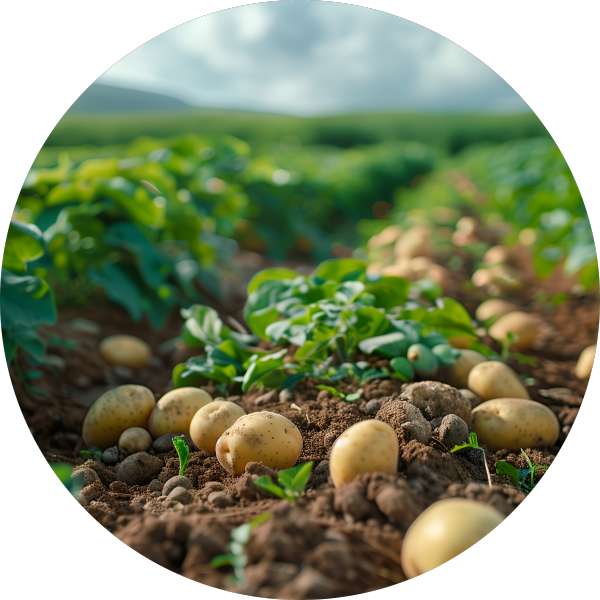
Understanding Usage, Benefits, and Sustainable Production
How Is Neem Oil Made? A Look at the Manufacturing Process
Neem oil is primarily obtained from neem seeds, which are harvested from the fruits of mature neem trees. Grenera works directly with contract farmers across India who are trained to follow organic and sustainable harvesting practices. These partnerships not only empower farmers with consistent income but also ensure that only high-quality neem seeds are collected in an eco-friendly manner.
Here’s a step-by-step overview of the neem oil production process at Grenera:
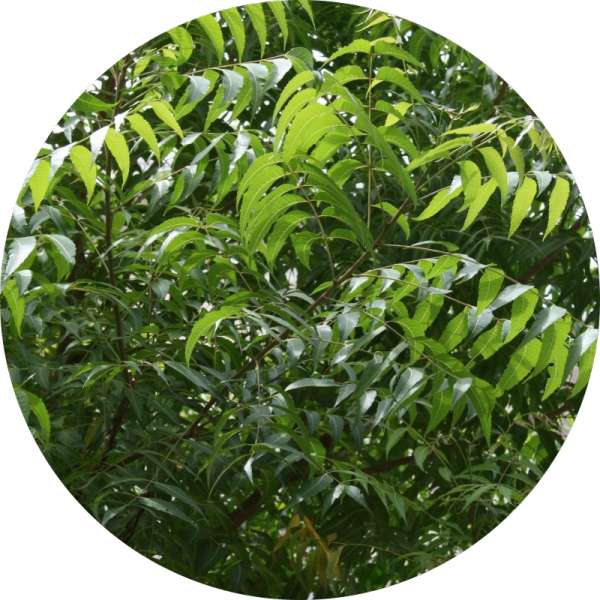
- Collection of Neem Seeds: Fully matured neem fruits are handpicked by farmers and allowed to dry naturally. The seeds are then separated from the pulp.
- Seed Cleaning and Drying: The seeds are cleaned thoroughly and sun-dried to reduce moisture content, which helps improve oil yield and quality.
- Cold Press Extraction: At Grenera’s processing facility, the dried neem seeds undergo cold-press extraction, a chemical-free process that preserves the natural properties of neem oil. This method ensures that the active compounds, especially azadirachtin, remain intact.
- Filtration and Storage: The extracted oil is filtered to remove impurities and stored in airtight containers to maintain its freshness and potency.
This entire supply chain—from seed to oil—is built around sustainable practices, with an emphasis on minimizing environmental impact. Grenera’s quality control team ensures that every batch meets international standards, making our neem oil a trusted choice for global B2B clients.
Is Neem Oil a Good Fertilizer?
Neem oil is not just a pesticide—it also acts as a natural fertilizer that improves plant health. While neem oil doesn’t contain high levels of nitrogen, phosphorus, or potassium (the major nutrients found in conventional fertilizers), it plays a complementary role in enhancing soil fertility.
Here’s how neem oil supports plant growth:
- Soil Conditioning: When used regularly, neem oil helps improve soil texture and stimulates beneficial microbial activity.
- Pest Control: Neem oil contains azadirachtin, which disrupts the life cycle of common pests like aphids, whiteflies, and spider mites. This reduces the need for synthetic pesticides, thereby protecting soil biodiversity.
- Fungal Protection: It also has antifungal properties that prevent root rot, mildew, and other fungal diseases that affect plant health.
- Plant Immunity: Regular application strengthens the plant’s natural resistance to pests and diseases.
Always test on a small area before applying to the entire plant, especially for sensitive species.
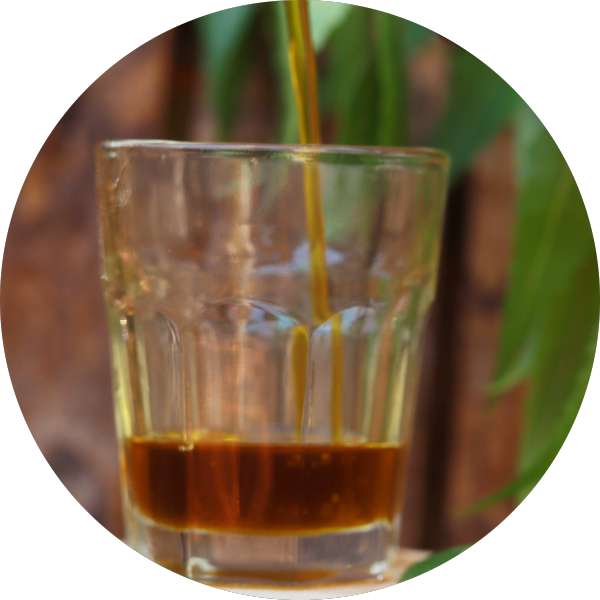
In essence, neem oil is an ideal component of organic and regenerative farming, providing both protection and support to crops.
How Much Neem Oil Should You Use for Plants?
Neem oil is potent, and when used in excess, it can harm plants. It’s essential to dilute it properly before application. Here are general guidelines:
- For Pest Control: Mix 1 to 2 tablespoons of neem oil per gallon of water, along with a few drops of mild liquid soap (as an emulsifier). Spray this solution on plant leaves every 7–14 days.
- For Soil Drench: Mix 1 teaspoon per liter of water and pour at the base of the plant. This helps control soil-borne pests and fungi.
- For Seed Treatment: Seeds can be coated with a diluted neem oil solution to prevent fungal infections during germination.
Always test on a small area before applying to the entire plant, especially for sensitive species.
Grenera’s Commitment to Sustainability and Ethical Sourcing
At Grenera, sustainability isn’t just a goal—it’s a practice that influences every decision. Our neem oil supply chain is designed to:
- Support Contract Farmers: We engage with smallholder farmers through long-term contracts, providing them with fair prices, training, and market access.
- Reduce Carbon Footprint: By processing neem seeds locally and using cold-press methods, we minimize energy consumption and reduce emissions.
- Promote Organic Farming: Grenera’s neem oil is certified organic, free from synthetic chemicals, and suitable for organic agriculture globally.
Every bottle of neem oil from Grenera is a result of ethical sourcing, environmentally responsible processing, and a vision to support regenerative agriculture.
Neem oil is more than just a garden remedy—it’s a reflection of a sustainable future for agriculture. Knowing how much neem oil to use is crucial for safe and effective results, but understanding where it comes from matters just as much.
With Grenera’s neem oil, you’re not only giving your plants the care they need—you’re also supporting a transparent, ethical, and sustainable supply chain from seed to soil.
Explore Grenera’s range of organic neem products today and make sustainability a part of your farming practices.
Moringa
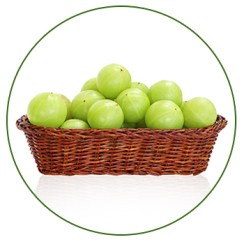
Amla
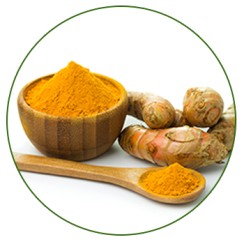
Turmeric
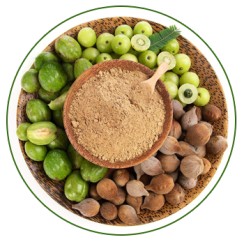
Triphala
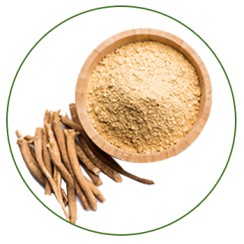
Ashwagandha
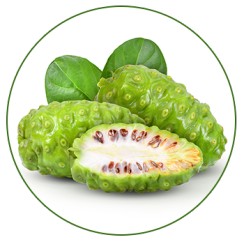
Noni
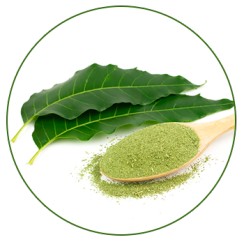
Neem
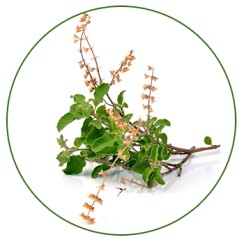
Tulsi
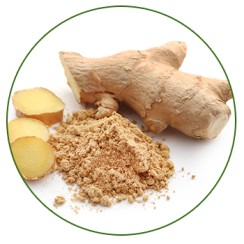
Ginger
Shatavari
Oil
Seed
TeaBag
Senna
Papya-1
Black Cumin Seed Oil-Grenera
Spirulina 1 – Grenera
*No MOQ (Minimum Order Quantity).